
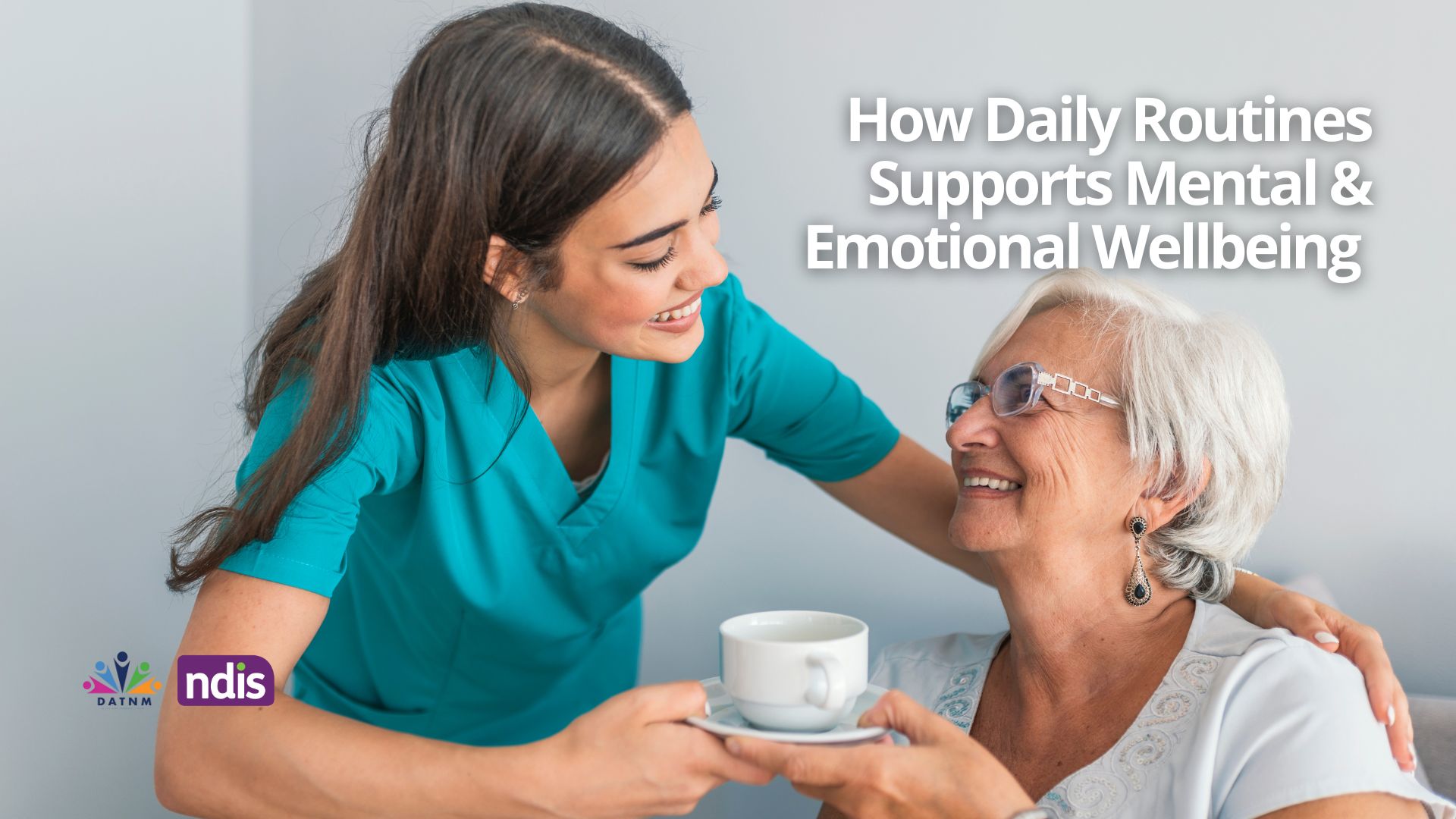

How Daily Routines Supports Mental and Emotional Wellbeing
Life feels different when you know what to expect from your day. Most people think of a routine as a rigid schedule or a long list of chores, but the reality is much warmer.
A routine is a safety net that provides a sense of predictability that lets the mind rest. Our daily patterns create emotional safety and a foundation where confidence can finally start to grow.
Hence, predictable schedules serve as a powerful tool for emotional regulation. Knowing exactly what comes next lifts that weight. When the “what ifs” of the day disappear, stress levels drop, and focus returns. This sense of calm is the baseline people need to feel truly in control of their own lives.
Daily Habits That Build Confidence
Stability is built in the small moments that happen before the world gets busy. Morning preparations set the tone for everything that follows. A familiar breakfast or a specific dressing sequence acts as a gentle signal to the brain that the day is manageable.
Consistent patterns help the body and mind stay in sync, which makes challenges feel smaller. Helpful routines include:
- Morning preparation: Starting the day with familiar steps to build a sense of readiness.
- Regular meals: Providing reliable energy and structure to the afternoon.
- Scheduled rest periods: Allowing time for the brain to recharge and process the day.
- Evening wind-down: Signal to the body that it is time to relax and feel safe.
The Importance of Flexibility
Structure should never feel like a cage. A routine exists to serve the person, not the other way around. True support means knowing when to stick to the plan and when to change it. Life is unpredictable, and our routines must be brave enough to adapt.
Support workers play a crucial role here by observing and listening. If a participant feels tired or inspired to try something new, the routine shifts to match that energy. This flexibility ensures that daily patterns remain empowering rather than restrictive. Independence flourishes when a person knows they have a solid foundation but also the freedom to move within it.
Walking the Path to Independence
Repeated tasks are the building blocks of autonomy. Every time a familiar activity is completed, self-worth grows. We don’t just build schedules at DATNM; we help design lives that feel stable and purposeful.
Our approach centers on individual goals and personal preferences. We recognize that a strong routine is the fastest path to meaningful independence. When the day feels secure, the future feels possible.
Helping someone master their own rhythm is the greatest gift of support, because a well-supported life is a life lived with confidence.
There are no comments