Blog

Why Community Connection Is Just as Important as Clinical Care

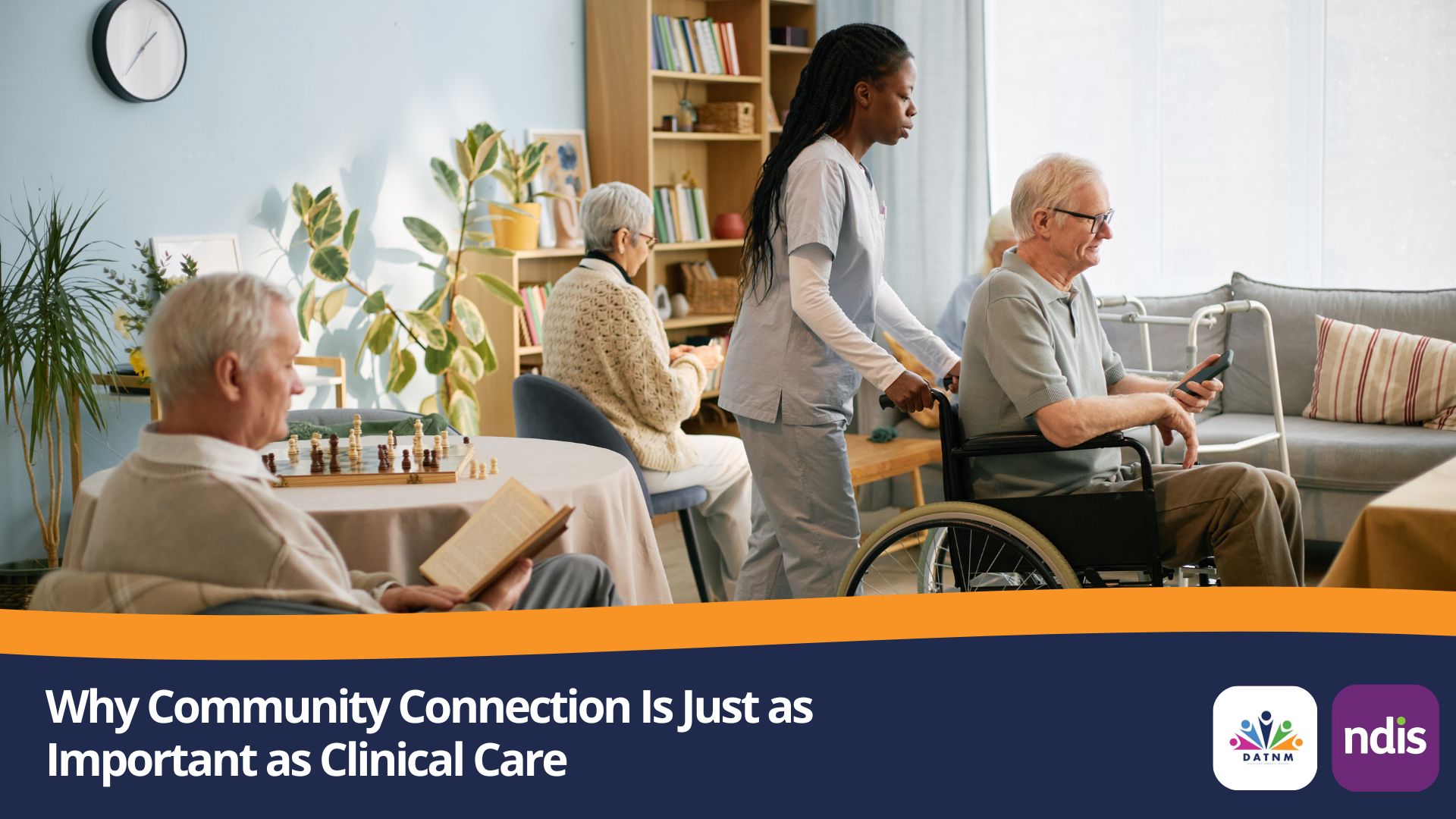
Why Community Connection Is Just as Important as Clinical Care When was the last time someone greeted you by name? That small moment matters more than most people realise. In disability support, conversations often focus on physical health. Medication schedules. Mobility goals. Clinical reviews. Risk assessments. All important. All necessary. Yet something often gets overlooked. Belonging. Social isolation remains one…
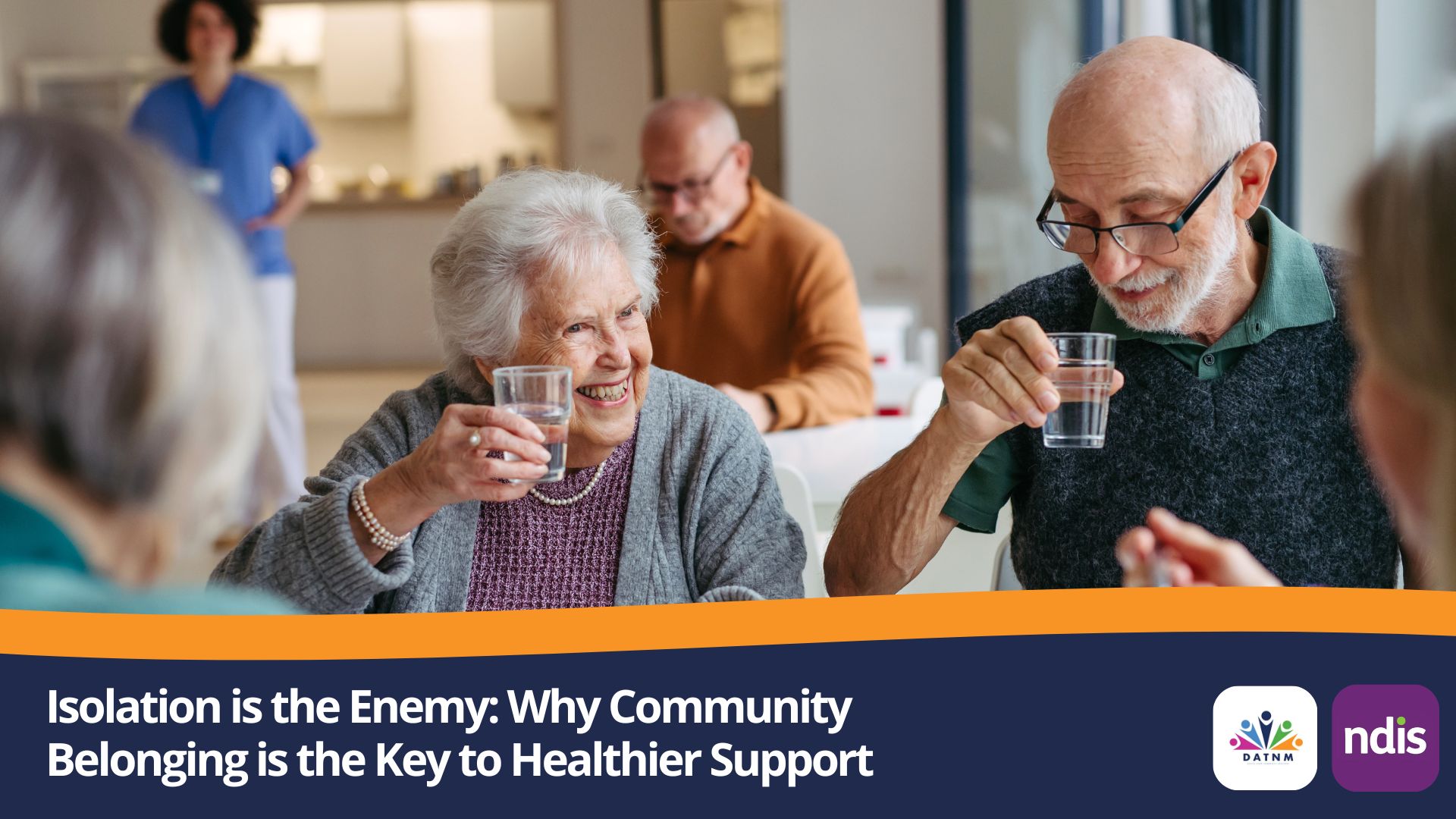
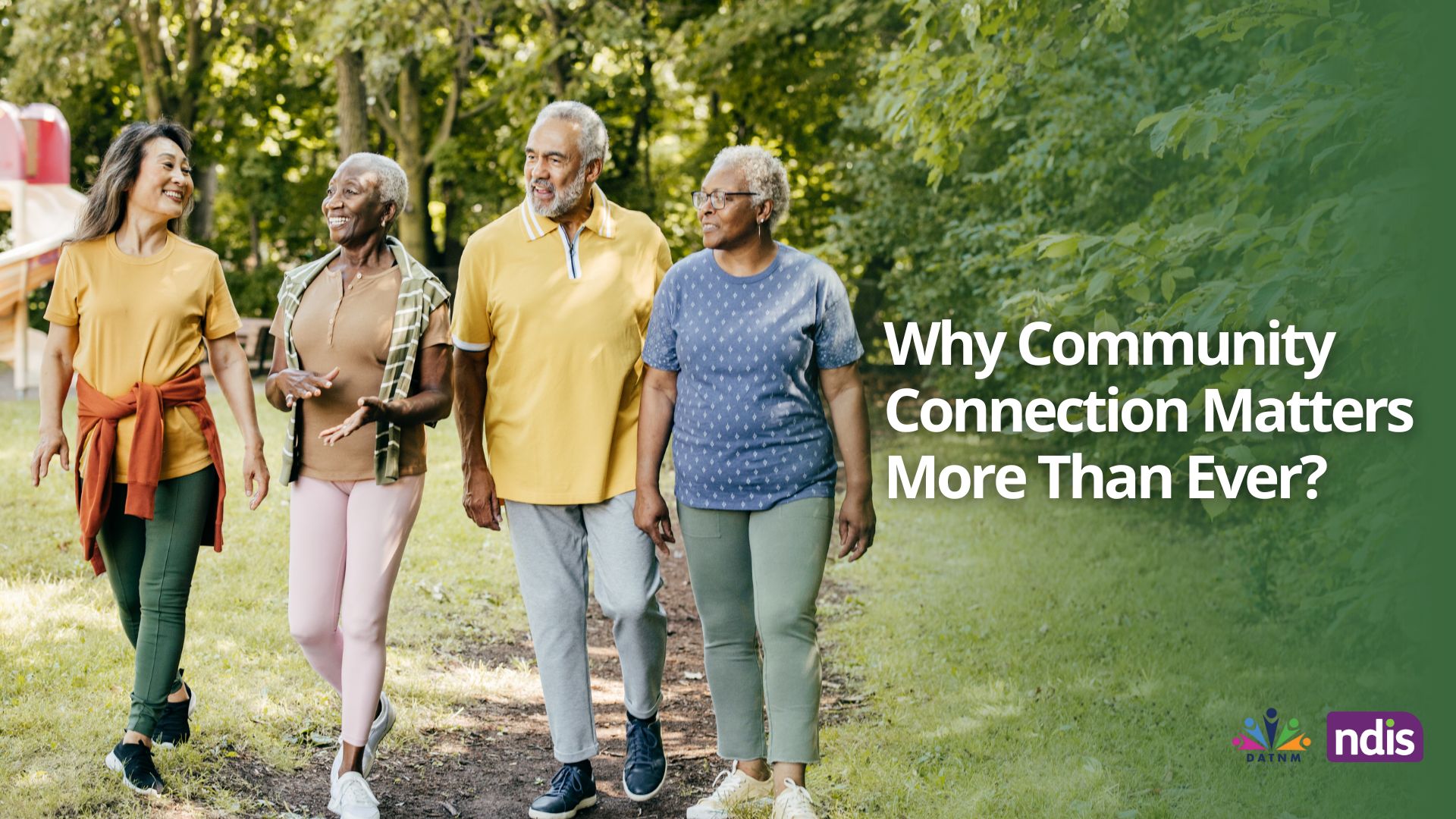
Isolation is the Enemy: Why Community Belonging is the Key to Healthier Support

Isolation is the Enemy: Why Community Belonging is the Key to Healthier Support Community involvement represents far more than a simple “extra” or a checkbox on a care plan. Humans have a fundamental need for connection that directly influences their confidence, mental health, and long-term wellbeing.  DATNM views community connection as the very foundation of effective support rather than just…

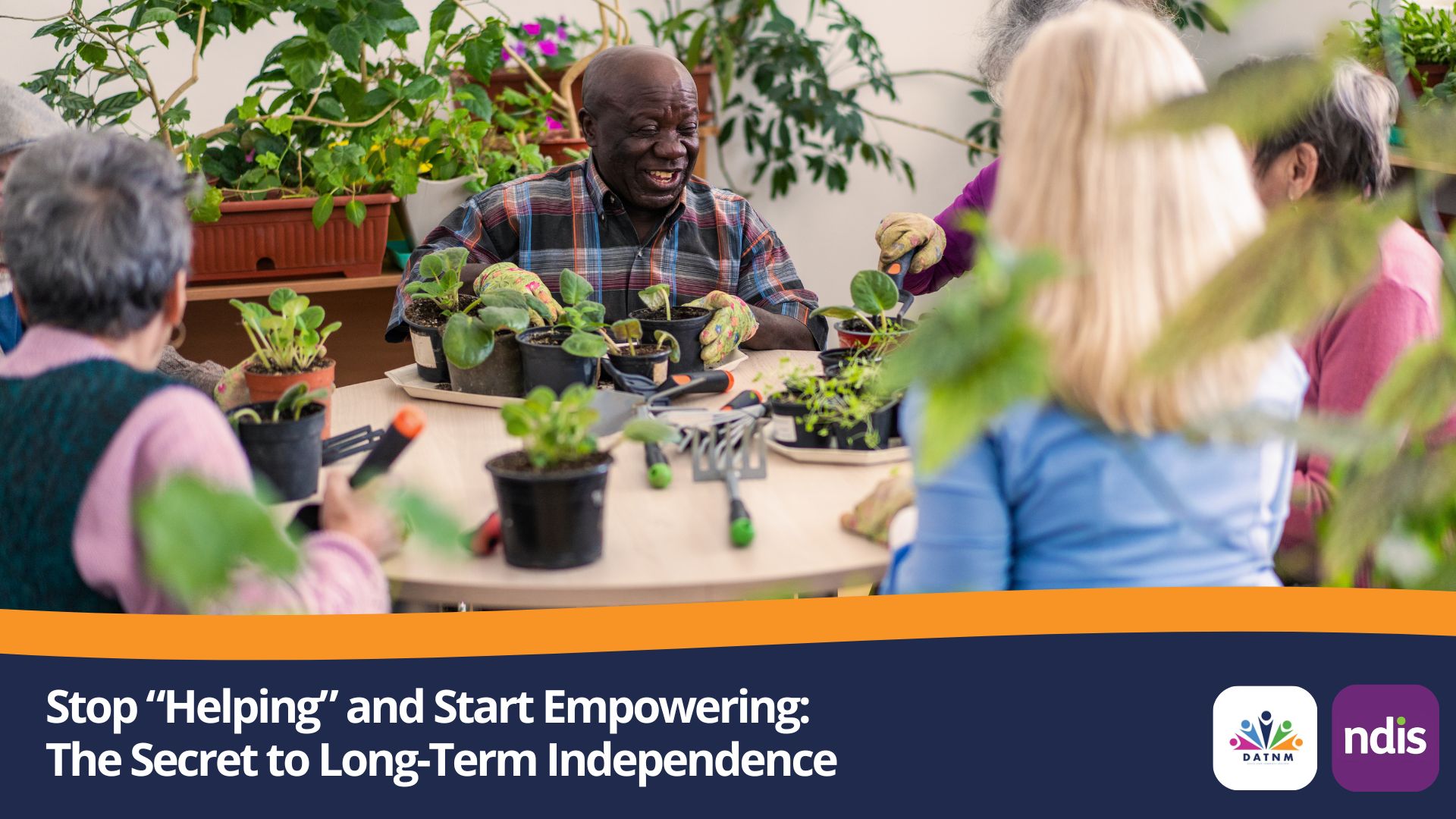
Stop “Helping” and Start Empowering: The Secret to Long-Term Independence

Stop “Helping” and Start Empowering: The Secret to Long-Term Independence The support industry often falls into a common trap: believing that doing everything for a person is the best way to care for them. Kindness usually drives this mindset, yet doing tasks for someone can actually hold them back from reaching their full potential.  True empowerment focuses on enabling people…

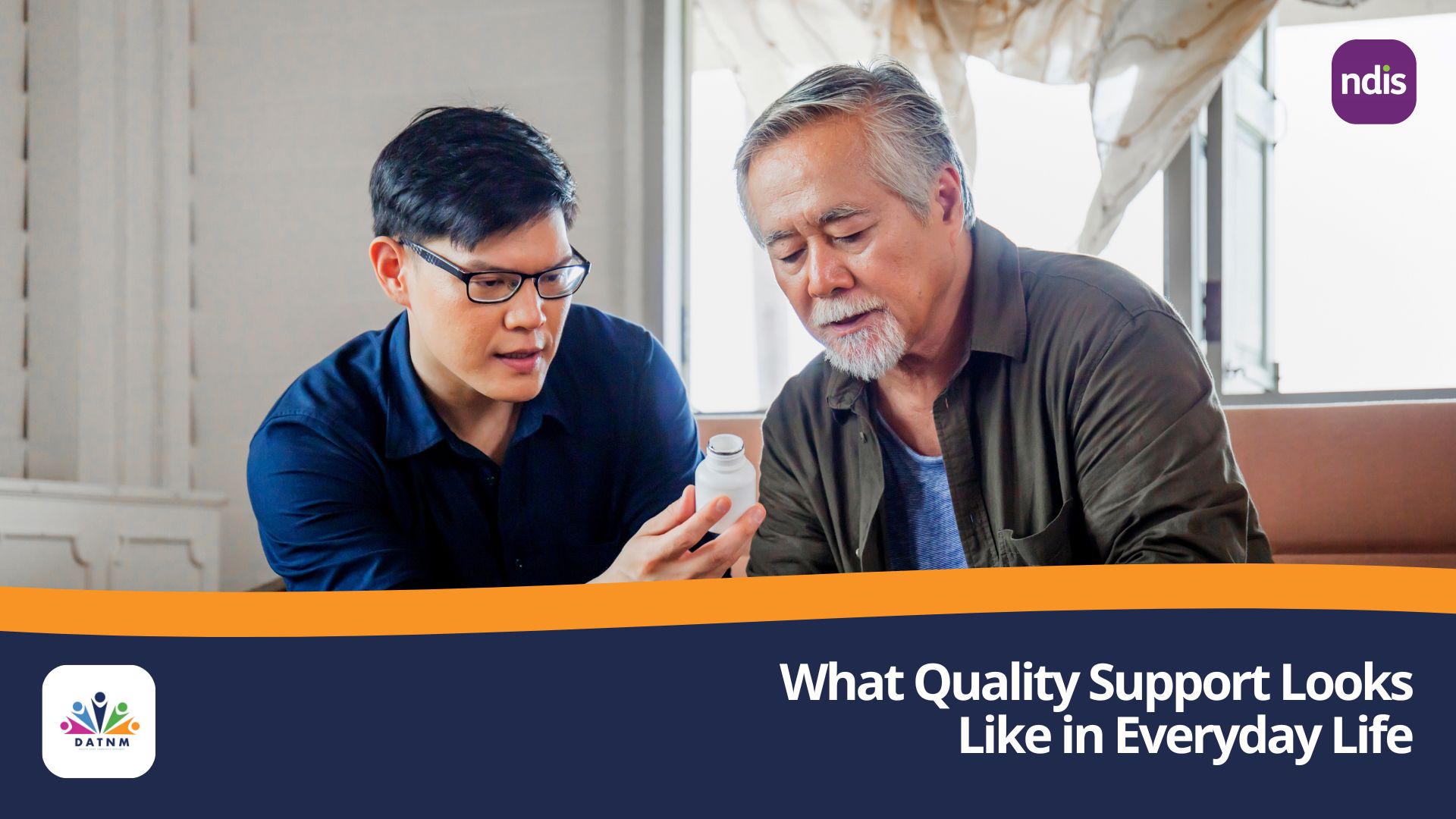
What Quality Support Looks Like in Everyday Life

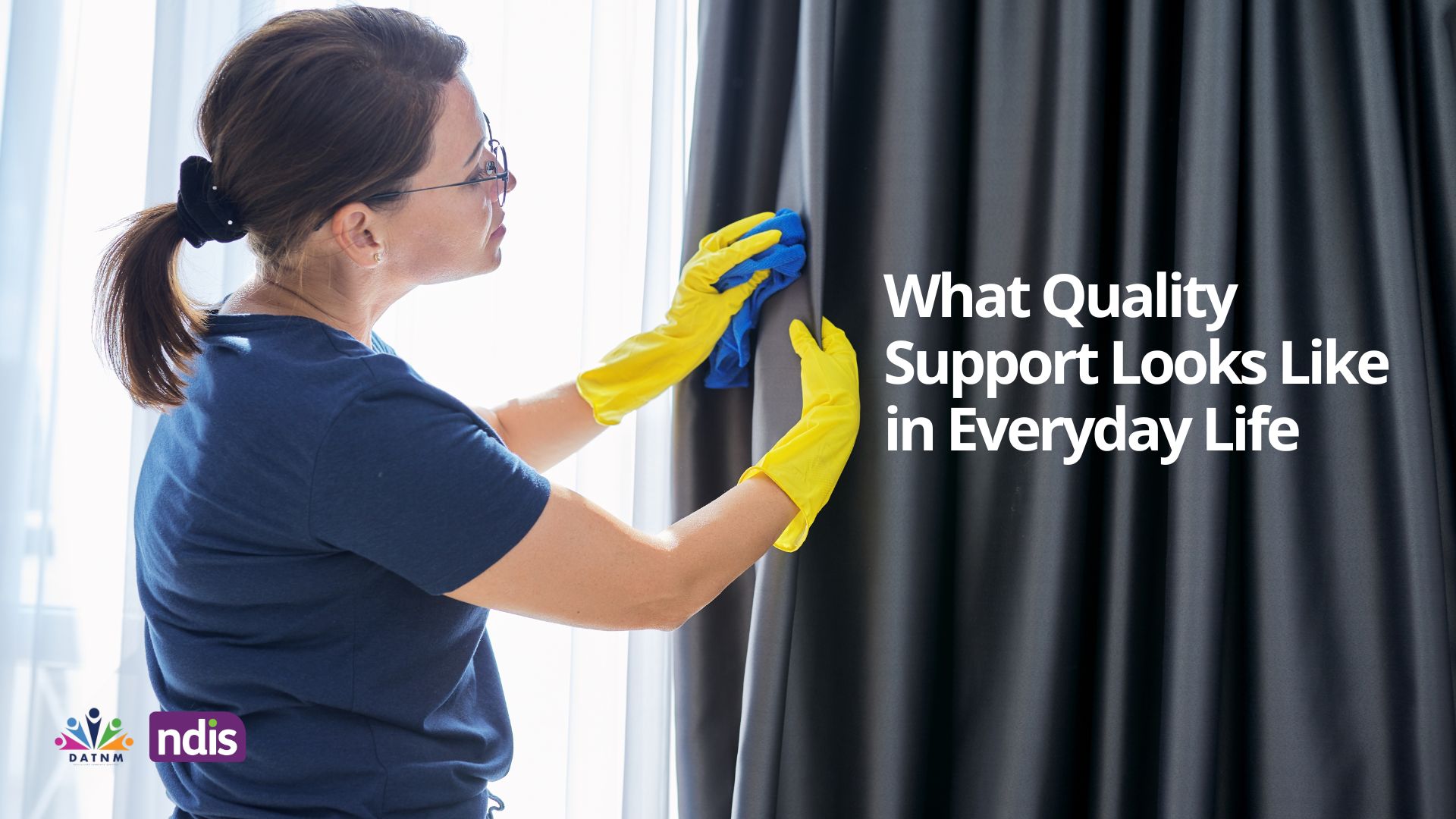
What Quality Support Looks Like in Everyday Life Quality support is not defined by checklists or routines alone. Quality support shows up in everyday moments that build trust, confidence and independence. People receiving disability support notice the difference immediately when care feels genuine, respectful and consistent. How Quality Support Shows Up Daily Daily support reflects care standards through actions not…

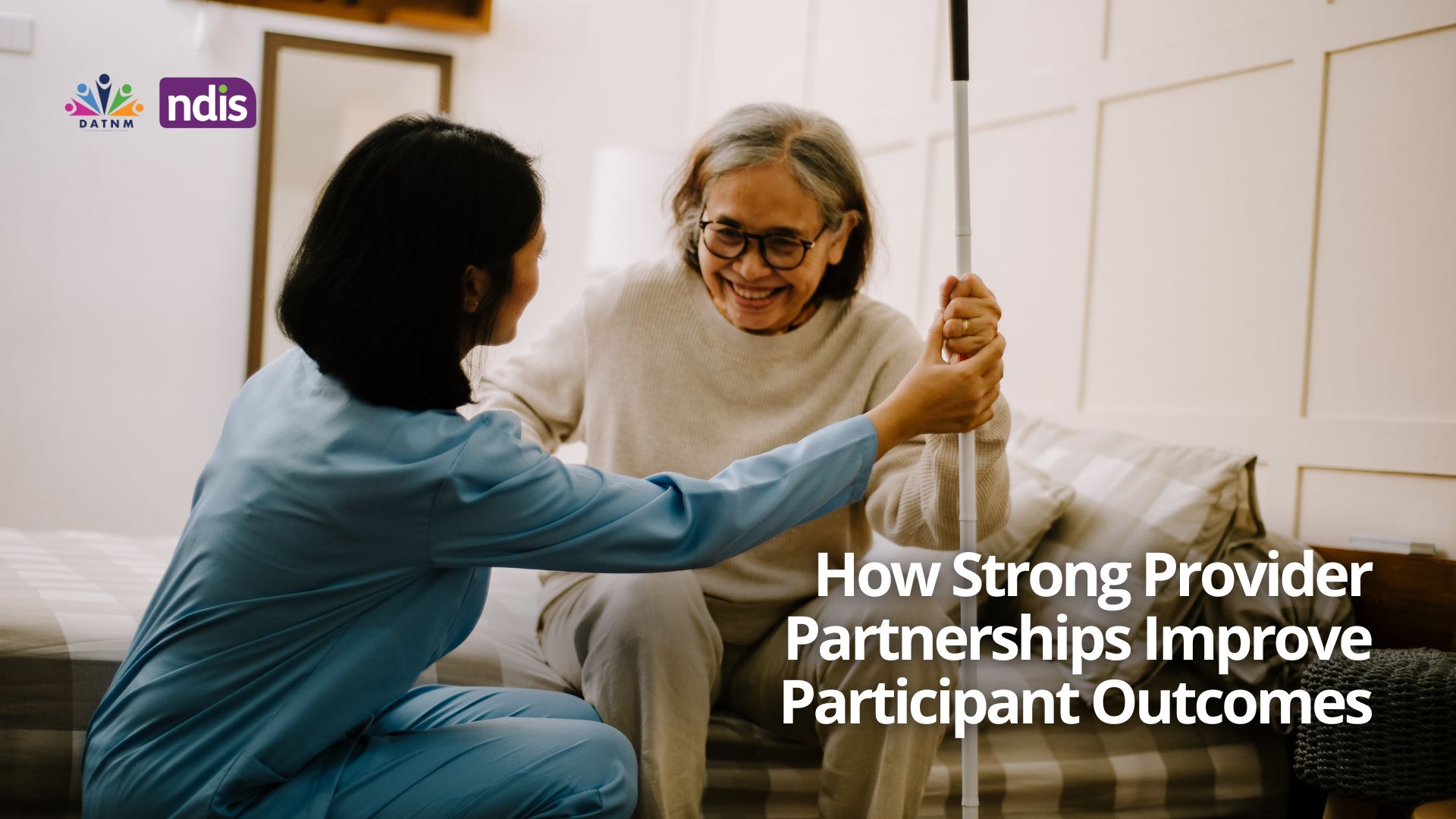
How Strong Provider Partnerships Improve Participant Outcomes

How Strong Provider Partnerships Improve Participant Outcomes Independence thrives when a support network functions as a single, unified team. Most participants rely on a mix of support coordinators, therapists, and families to navigate their daily lives. These different groups must work in harmony to ensure support remains consistent and responsive. Disconnected services often lead to confusion, but a collaborative approach…

What Quality Support Looks Like in Everyday Life

What Quality Support Looks Like in Everyday Life Quality support is not defined by checklists or routines alone. Quality support shows up in everyday moments that build trust, confidence and independence. People receiving disability support notice the difference immediately when care feels genuine, respectful and consistent. How Quality Support Shows Up Daily Daily support reflects care standards through actions not…

Small Routines Big Change: The Daily Habits That Grow Real Independence

Small Routines Big Change: The Daily Habits That Grow Real Independence Have you ever noticed how one small habit can shift the entire day? Or as one participant once shared “My routine helped me feel in control again” Building independence often begins with simple actions that bring structure and calm.  Here in DATNM, we believe that every person deserves support.…

Start typing and press Enter to search

Shopping Cart